
Cultural Preferences That Shape Casino Experiences 1464689394

Cultural Preferences That Shape Casino Experiences
Culture plays a vital role in shaping various aspects of our lives, including how we perceive and engage with entertainment venues such as casinos. Understanding these cultural preferences is essential for casino developers, operators, and marketers as they strive to create environments that resonate with their target audiences. In this article, we delve into how different cultures influence casino design, gameplay preferences, social interactions, and overall experiences, along with a special mention of global online casino platforms like Cultural Preferences That Shape Casino Game Design by Region https://bet365-casino.it that cater to diverse cultural tastes.
The Influence of Cultural Context
Cultural context refers to the ideas, customs, and social behavior that shape the worldview of individuals in specific regions. When it comes to casinos, cultural context affects everything from the architectural design to the types of games offered and how players engage with each other. For instance, in many Western cultures, casinos are often considered entertainment hubs, where individuals go mainly for leisure, socializing, and indulgence. This perspective is reflected in the opulent designs of casinos in Las Vegas, where extravagant décor, high-end restaurants, and elaborate shows are standard.
Conversely, in several Asian cultures, gambling is often intertwined with familial and communal bonding, which may result in casinos being designed more like social gathering spaces than purely entertainment venues. In places like Macau, casinos often feature high-stakes games and vast gaming floors, catering to the preferences of local players and tourists. The physical layout of such casinos promotes interaction among players and emphasizes nearby dining and shopping options, thus creating a holistic entertainment experience.
Game Preferences and Cultural Differences
The types of games popular in casinos vary significantly across cultures. For instance, Western countries predominantly favor games like poker, blackjack, and slot machines. These games are often based on individual skill and strategy, demonstrating a more competitive nature associated with gambling.
In contrast, many Asian countries showcase a strong preference for games like baccarat, pai gow, and sic bo. These games often focus more on luck than skill, reflecting cultural beliefs that emphasize fate and chance. Many Asian cultures view gambling as a way to connect with ancestors and auspicious events, and this perspective heavily influences the types of games offered in local casinos.
The Role of Social Interaction
Social interaction is another key aspect shaped by cultural preferences. In some cultures, gambling is perceived as a communal activity where players enjoy each other’s company and celebrate wins together. Casinos in places where this is a norm often have a layout that facilitates large groups playing together, with games designed to accommodate multiple players. For example, mahjong parlors in China are a popular social destination, reflecting the cultural affinity for communal engagement.
In contrast, Western gambling culture tends to emphasize individual play. Players might engage with electronic slot machines or play poker at separate tables, focusing more on personal win rates and competitive game play. Yet, this does not mean that social interactions are absent; casinos often feature bars and lounges where players can unwind and socialize between games.
Design and Aesthetics
The architectural style and interior design of casinos are also deeply influenced by cultural preferences. In Las Vegas, for example, casinos are designed to attract visitors with their bright lights, flashy themes, and immersive environments, appealing to the Western desire for spectacle and glamour. These designs create a sense of fantasy and escapism that many visitors seek.
On the other hand, many Asian casinos may prioritize a more harmonized and serene atmosphere. Design elements such as water features, natural materials, and feng shui principles are often incorporated to create environments that resonate with local beliefs about balance and prosperity. Such aesthetics not only cater to the cultural values of tranquility and harmony but also enhance the overall experience for players.
Regulatory and Legal Influences
Cultural context also shapes the legal framework surrounding gambling in different regions. In some countries, gambling is heavily regulated or even prohibited, while in others, it is an integral part of the economy. For instance, in the United States, each state has its own laws governing gambling, leading to a highly diverse landscape where casinos are more prevalent in urban areas.

Meanwhile, in countries like Singapore, gambling is strictly regulated, with a strong emphasis on responsible gaming. This regulatory framework reflects cultural attitudes towards gambling as a potentially harmful activity when mismanaged. In response, casino operators must adapt their practices to align with local laws and cultural expectations, often offering educational programs on responsible gambling alongside their entertainment options.
Online Casinos and Cultural Adaptation
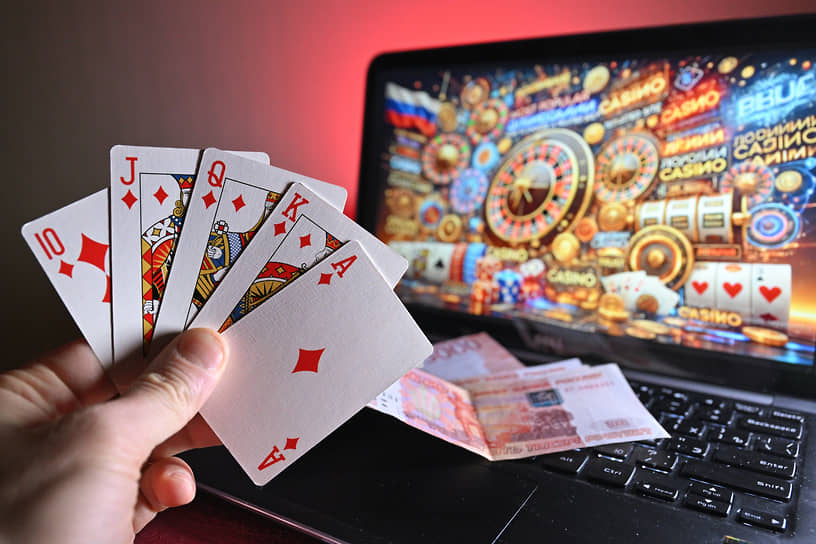
The rise of online casinos has further complicated the intersection of culture and gambling. Digital platforms can reach a global audience, but they must also navigate various cultural preferences and regulations. Leading online gaming companies, such as https://bet365-casino.it, aim to create a diverse array of games that appeal to multiple demographics while respecting regional norms.
Online casinos employ various localization strategies to cater to specific markets. This may involve translating games into different languages, offering culturally relevant promotions, or providing customer support that aligns with local customs. Adapting to specific cultural contexts not only enhances user experience but also fosters brand loyalty among players.
The Future of Casinos in a Globalized World
As the world becomes increasingly interconnected, the influence of cultural preferences on casino experiences will continue to evolve. Operators will need to stay attuned to shifts in cultural dynamics, especially as younger generations with varied perspectives enter the gambling scene. This generation is likely to prioritize social responsibility and sustainability, further shaping the design and operational practices of casinos.
Moreover, technological advancements are set to play a significant role in how cultural preferences are integrated into casino experiences. Innovations like virtual reality could create immersive gaming environments that cater to diverse cultural tastes, allowing players worldwide to enjoy unique experiences without geographical limitations.
Conclusion
Understanding cultural preferences is essential for the success of casinos in today’s diverse world. From game selection and social interactions to design and regulation, the impact of culture on gambling is profound and multifaceted. As casinos continue to adapt to these influences, they will not only enrich the experiences of local players but also attract a global audience seeking entertainment and connection in a uniquely cultural context.